Nine quests,
one restless habit.
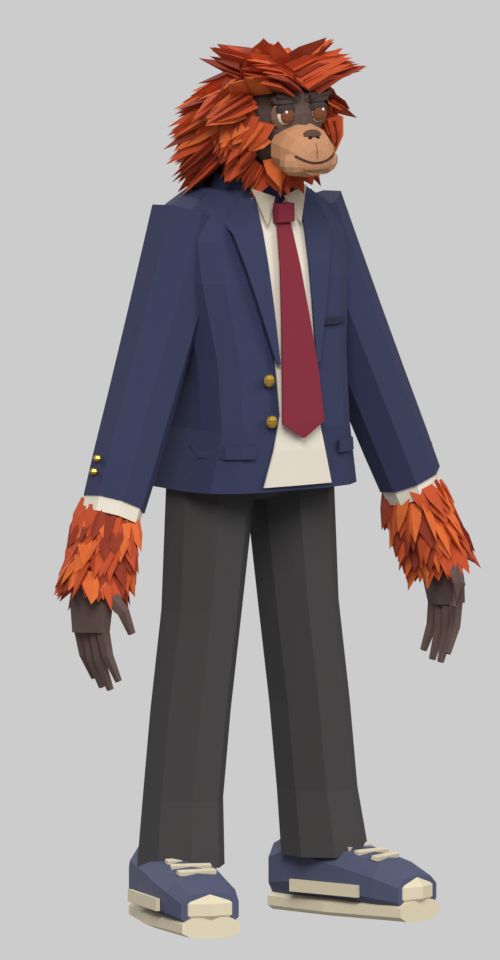
Puck the Hothead
A satirical indie game: a teenage orangutan with a temper, in a PS1-era world built around grinding and momentum.
Development journal →
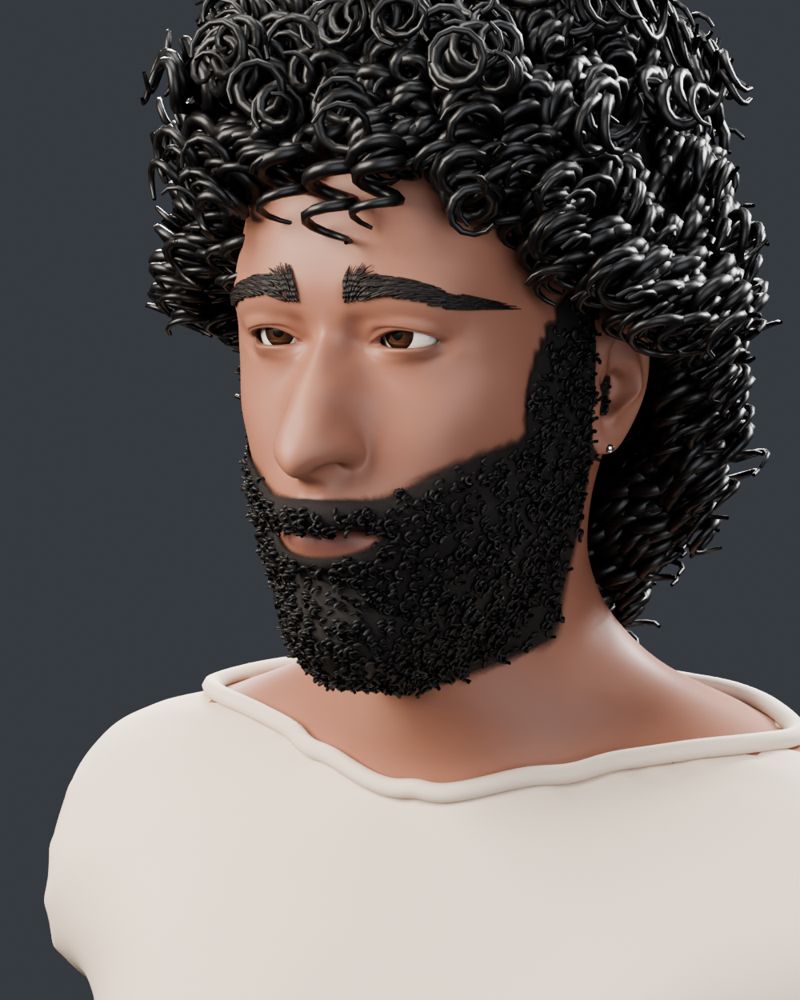
Self-Portrait Bust
A stylized 3D me with a look-at eye rig. Move one target and both eyes follow; exports to Unity.
See how it was made ↓
Tiny Traces
Detecting child separation in crowds before it becomes a missing-child case. I led the team and the research.
Case study →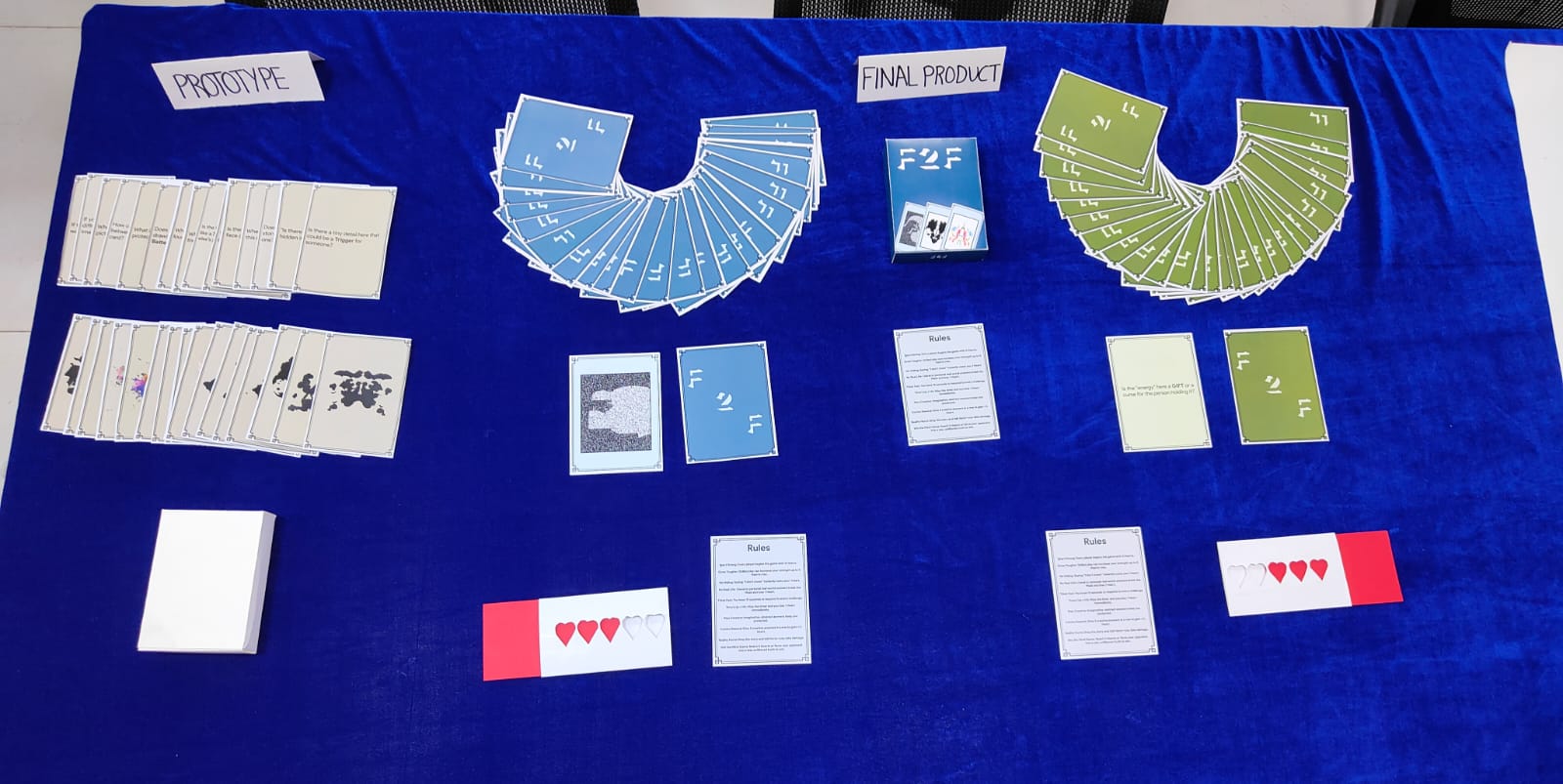
F2F Protocol
A 15-second card game that makes social masks slip. Playtested with about 50 people.
Case study →access
Low-Vision Access to AI
How blind and low-vision people use ChatGPT and Claude with screen readers. Desk research and a fatigue-aware session plan are done; sessions with the Blind People’s Association, Ahmedabad are being arranged.
pad
ESP32 Hive Pad
A custom macropad on an ESP32: workflow shortcuts over Bluetooth, and a hub for the Bluetooth devices around my desk.
ownership
AI Ownership
A personal AI that runs on my own hardware: llama.cpp for the brain, Piper for the voice, ChromaDB for memory. Each part works on its own; wiring them into one loop is next.
bag
Laptop Bag
A carry-system study inspired by Watch Dogs 2.
Sovereign Archive
The original portfolio: a camera moving through the raw process until it finds signal.
Enter the archive ↗